Can Green Tea Help Lower Blood Pressure Naturally?
Can green tea help lower blood pressure naturally? This guide explores how green tea, black tea, and naturally caffeine-free vine tea may support heart health, healthy blood pressure, and overall wellness. Learn about antioxidants, dihydromyricetin (DHM), caffeine content, weight management, and healthy lifestyle habits that may benefit people with high blood pressure while understanding the importance of proper tea choices and balanced nutrition.
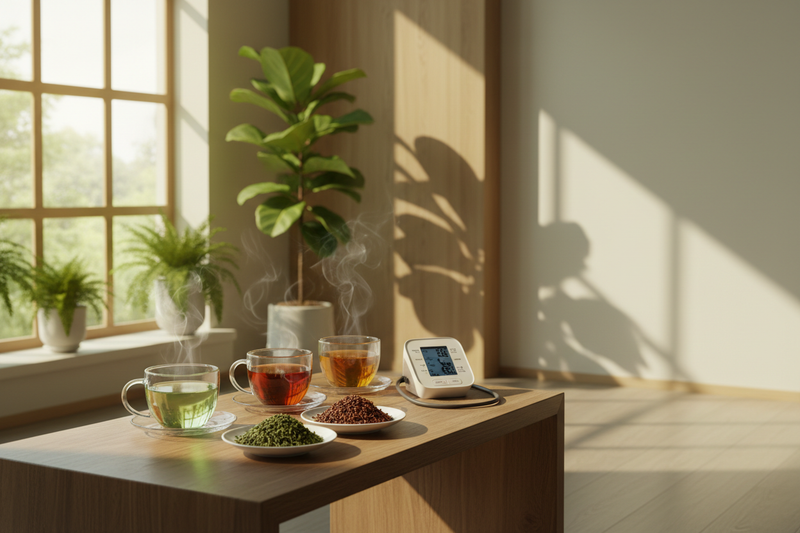
High blood pressure is now one of the most common health problems in adults worldwide. It affects millions of tea drinkers in China. As more people choose a healthy lifestyle, many ask if tea can support heart health and help keep blood pressure normal.
The good news is that scientific research suggests certain teas may play a supportive role. However, tea is not a medicine, and it should never replace professional medical advice or prescribed treatment. Instead, it can be part of a balanced diet and healthy daily routine.

Understanding Blood Pressure
Before discussing tea, it's helpful to understand what blood pressure actually means.
Blood pressure measures the force of blood against your artery walls. It consists of two numbers: systolic and diastolic blood pressure. The systolic number measures pressure when the heart beats. The diastolic number measures pressure when the heart rests between beats.
Doctors often refer to these values as systolic and diastolic BP, and both numbers are important indicators of cardiovascular health.
Why Elevated Blood Pressure Matters
Many people experience elevated blood pressure without obvious symptoms.
If left untreated for many years, hypertension raises the risk of serious health problems. These include heart disease, stroke, kidney disease, and vision loss. Lifestyle factors like a poor diet, little exercise, smoking, stress, and obesity can raise your risk of high blood pressure.
Fortunately, small daily habits—including healthy eating and regular tea consumption—may contribute to long-term cardiovascular wellness.
Can Green Tea Support Healthy Blood Pressure?
Among all tea varieties, green tea has received the greatest scientific attention.
Green tea contains catechins, flavonoids, and other antioxidants that help protect blood vessels from oxidative stress. Some research suggests these compounds may support healthy circulation. They may also slightly lower blood pressure. This may work best with regular exercise and a nutritious diet.
Green tea works best as part of an overall healthy lifestyle rather than as a standalone solution.
How Tea Leaves Contain Natural Protective Compounds
The health benefits of tea begin with carefully harvested tea leaves.
Fresh tea leaves naturally contain polyphenols, amino acids, vitamins, and minerals. During brewing, these compounds dissolve into the water and contribute to both the flavor and the potential health-supporting properties of tea.
The quality of the leaves, growing environment, and brewing method all influence the final cup.
Green Tea and Weight Loss
Another reason green tea attracts attention is its possible role in weight loss.
Some studies suggest that catechins may slightly increase fat oxidation and energy expenditure. Maintaining a healthy body weight is one of the most effective non-medication strategies for supporting healthy blood pressure.
While tea alone cannot produce dramatic weight loss, replacing sugary beverages with unsweetened tea is a practical step toward better health.
Vine Tea: A Naturally Caffeine-Free Alternative
Some people enjoy drinking tea but prefer to avoid caffeine because of personal preference or certain health conditions.
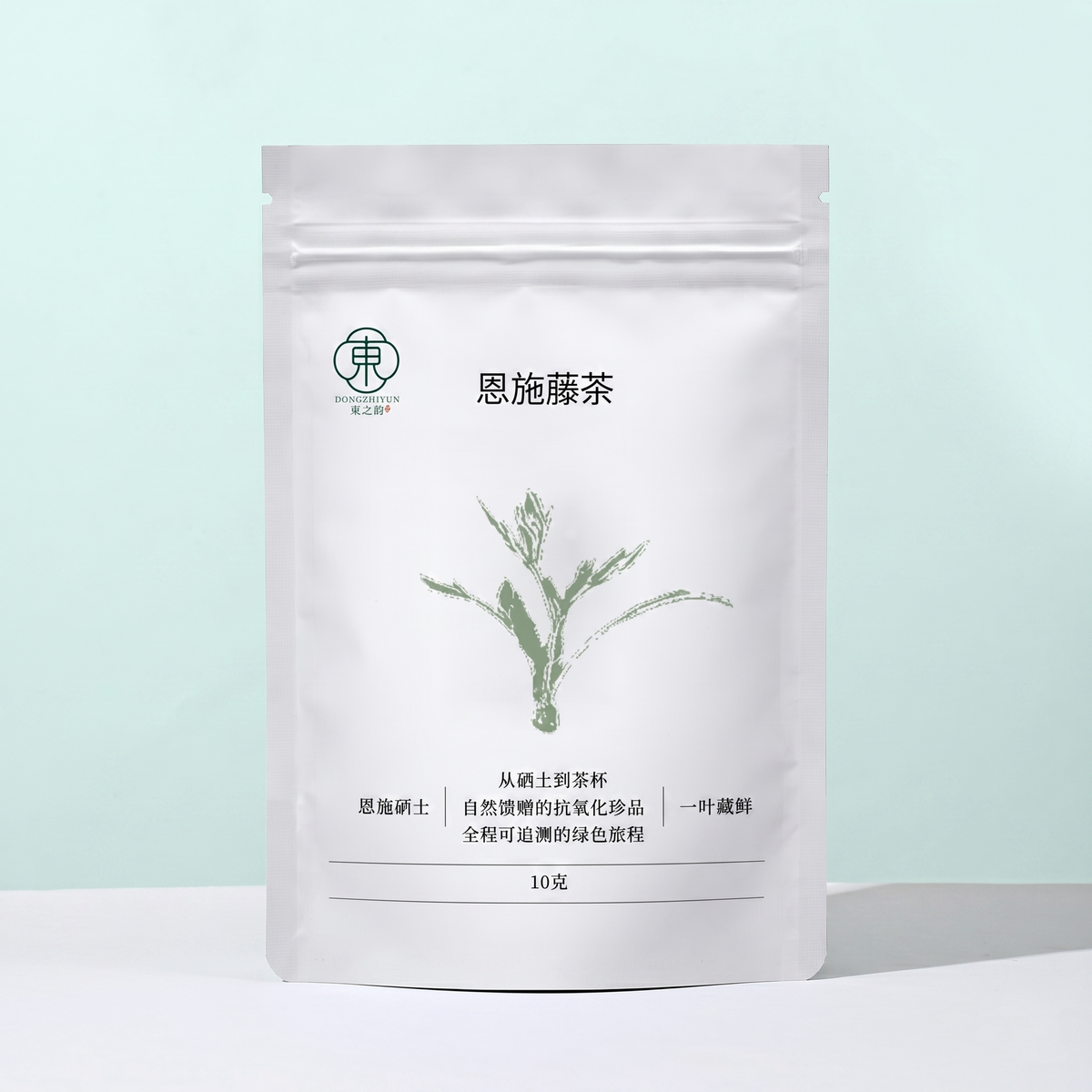
Vine tea is an excellent alternative. Unlike traditional teas made from the tea plant (Camellia sinensis), vine tea is a caffeine-free herbal tea. It is made from Ampelopsis grossedentata.
It has no caffeine and provides many flavonoids. These include dihydromyricetin (DHM), a unique compound. Scientists study DHM for its antioxidant and anti-inflammatory effects.
Because it has no caffeine, vine tea can be enjoyed all day. Most people can also drink it in the evening without affecting sleep. It is also an ideal choice for people who want to support heart health, live a balanced lifestyle, or cut back on caffeine. It still offers a flavorful and refreshing drink.
Choosing vine tea allows tea lovers to enjoy a naturally caffeine-free drink rich in beneficial plant compounds and suitable for everyday wellness.
Black Tea May Also Benefit Heart Health
Although green tea receives more attention, black tea also offers valuable health benefits.
Black tea contains flavonoids formed during fermentation, which may help support healthy blood vessel function. Some observational studies suggest that drinking black tea often may modestly improve heart health. This may be true when it is consumed without too much sugar.
Unlike coffee, black tea also contains L-theanine, which may promote relaxation while balancing caffeine's stimulating effects.
Can Tea Help Lower Blood Pressure?
Many people ask whether tea can actually lower blood pressure.
Current research suggests that drinking tea often may support heart health. It works best with a healthy diet, regular exercise, and enough sleep. However, the effects are generally modest and vary from person to person.
Tea should be viewed as one healthy habit—not a replacement for medical treatment.
People With High Blood Pressure Should Drink Tea Wisely
For people with high blood pressure, choosing the right tea and drinking it in moderation is important.
Avoid adding excessive sugar or high-fat creamers, as these ingredients may reduce tea's health benefits. Instead, enjoy freshly brewed tea alongside fruits, vegetables, whole grains, and lean protein as part of a heart-friendly diet.
If you take blood pressure medication, consult your healthcare provider if you have concerns about caffeine intake.
Watch the Caffeine Content
Not every tea contains the same amount of caffeine.
The caffeine content depends on the tea variety, leaf grade, brewing time, and water temperature. Green tea generally contains less caffeine than coffee, while black tea usually contains slightly more than green tea.
People who are sensitive to caffeine may choose vine tea. It is a naturally caffeine-free herbal tea. It provides antioxidants without the stimulating effects of caffeine. It offers a smooth, refreshing taste and can be enjoyed at any time of day.
Can Tea Improve Systolic Blood Pressure?
Researchers continue studying whether tea can improve systolic blood pressure.
Several clinical studies suggest that drinking tea regularly may help keep blood vessels healthy. It may also slightly lower blood pressure over time. These effects appear to be more noticeable when tea is combined with other healthy lifestyle habits.
Long-term consistency matters far more than drinking large amounts of tea occasionally.
Tea Works Best With a Healthy Lifestyle
Tea alone cannot overcome unhealthy habits.
Maintaining a healthy lifestyle includes eating a balanced diet. It also means exercising often. Limit sodium. Keep a healthy body weight. Reduce stress. Sleep well.
When these habits are combined, they offer greater support for heart health than any single food or beverage.
Choosing the Best Tea
There is no single "best" tea for everyone.
Green tea is popular because of its abundant catechins, while black tea provides unique flavonoids created during fermentation. Some people also enjoy white tea or oolong tea for their delicate flavors and naturally occurring antioxidants.
The best choice is the tea you enjoy drinking consistently.
Brew Tea Correctly
Proper brewing helps preserve both flavor and beneficial compounds.
Use fresh filtered water and avoid boiling delicate green tea with excessively hot water. Brewing green tea at around 80–85°C for two to three minutes usually produces a smooth, refreshing cup with balanced flavor.
Quality tea leaves also make a noticeable difference in aroma and taste.
Who Should Be Cautious?
Although tea is generally safe for most adults, not everyone responds the same way.
People with certain health conditions should talk to a healthcare professional before drinking tea.
Pregnant women should also talk to a healthcare professional about drinking tea.
People who are sensitive to caffeine should do the same. Moderation is always the safest approach.
Daily Tea Habits That Support Heart Health
Small daily choices often produce meaningful long-term results.
Replacing sugary soft drinks with unsweetened tea may improve heart health. Staying active, keeping a healthy weight, and managing stress may also help. These habits can also help reduce factors that increase your risk of chronic disease.
A simple cup of tea enjoyed every day may become part of a healthier routine.

Final Thoughts
Tea has been enjoyed in China for thousands of years, and modern research continues to explore its potential health benefits. While tea cannot guarantee lower blood pressure, some evidence suggests it may help heart health. This may be true when you drink high-quality tea often. It also works best with a balanced diet and an active lifestyle.
Whether you choose green tea, black tea, or vine tea, each offers its own unique characteristics and wellness benefits. Green and black teas contain natural caffeine that may support alertness. Vine tea is a caffeine-free herbal tea rich in flavonoids and dihydromyricetin (DHM).
It is a great choice for people who want antioxidant support without caffeine. By selecting high-quality tea and adopting healthy daily habits, you can enjoy every cup while supporting your overall well-being.