How to Fix Bitter Tea? A Beginner's Guide to Better Tea Taste
Bitter tea is usually caused by over-extraction rather than poor-quality leaves. By controlling water temperature, the tea-to-water ratio, and steeping time, you can reduce bitterness and create a smoother, more balanced cup. Different teas, including green tea, black tea, vine tea, and herbal teas, require different brewing conditions. Using quality water and adjusting each brew to your personal taste also enhances flavor. Mastering these simple techniques helps preserve sweetness, aroma, and the natural balance of tea polyphenols for a consistently enjoyable tea experience.
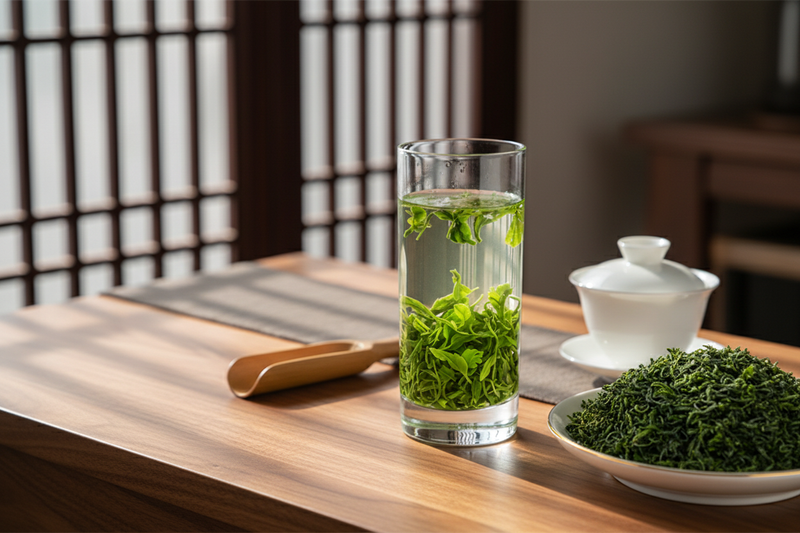
Nothing is more disappointing than preparing a cup of tea that looks perfect but tastes unpleasantly bitter. If you've ever wondered how to fix bitter tea, you're not alone. Whether you enjoy green tea, black tea, vine tea(herbal teas), understanding why bitterness happens will help you create a smoother and more enjoyable brew every time.
The good news is that bitter tea is usually not caused by poor-quality leaves. In most cases, it results from incorrect brewing methods that extract too many bitter compounds. With a few simple adjustments, you can dramatically improve your tea taste without changing the tea itself.
Why Does Tea Become Bitter?
Many beginners assume that bitterness means the tea is bad. In reality, bitterness comes from natural compounds that are actually beneficial for your health.
The two main contributors are tea polyphenols and caffeine. Tea polyphenols are powerful antioxidants that support overall wellness, while caffeine provides energy and alertness. When these compounds are extracted in the right amount, they create complexity and freshness. When over-extracted, however, they overpower sweetness and leave an unpleasant aftertaste.
The goal isn't to eliminate these compounds—it's to keep them in balance.

Step 1: Choose the Right Water Temperature
One of the biggest reasons for bitter tea is using water that is too hot. High temperatures speed up extraction, causing caffeine and tea polyphenols to dissolve much faster than desired.
Different tea styles require different brewing temperatures because each tea has a unique leaf structure and processing method.
Here are some recommended temperatures:
- Green tea: 80–85°C (176–185°F)
- Black tea: 90–95°C (194–203°F)
- Vine tea(Herbal Tea): 95-100°C (203–212°F)
Using the correct water heat allows desirable amino acids and aromatic compounds to develop before excessive bitterness appears.
A simple thermometer or temperature-controlled kettle can significantly improve your tea taste.
Step 2: Use the Correct Tea-to-Water Ratio
Many tea drinkers believe that adding more leaves automatically creates a better cup of tea. In reality, too many leaves often produce an overly concentrated brew that quickly becomes harsh.
For a standard 250 ml (8 oz) cup, these measurements work well:
- Green tea: 3 g
- Black tea: 3 g
- Vine tea: 2.5–3 g
These ratios provide a balanced extraction while still allowing you to adjust according to your personal taste.
Remember that different teapots and cups may require slight adjustments. Experiment gradually rather than making large changes.
Step 3: Control the Steeping Time
Steeping time is just as important as temperature. Even if the water heat is perfect, leaving tea in hot water for too long will continue extracting caffeine and tea polyphenols.
For most everyday brewing:
- Glass or mug brewing: 2–3 minutes
- Small teapot: 2–3 minutes
- Gongfu brewing: Start with 20–30 seconds and increase each infusion gradually
Shorter infusions often produce sweeter, more aromatic tea with less bitterness.

Why Green Tea Is More Sensitive
Among all common tea styles, green tea is the easiest to over-extract. Because it is minimally processed, its natural compounds dissolve quickly in hot water.
If your green tea tastes bitter, try lowering the brewing temperature before reducing the steeping time. This small adjustment often makes the biggest difference.
Fresh spring green teas especially benefit from gentler brewing conditions.
Why Black Tea Can Still Taste Bitter
Many people assume black tea can tolerate boiling water without any problems. While it is more forgiving than green tea, excessive brewing time can still create an overly strong and unpleasant flavor.
A quality black tea should offer sweetness, rich aroma, and a smooth finish rather than sharp bitterness.
Brewing Vine Tea Correctly
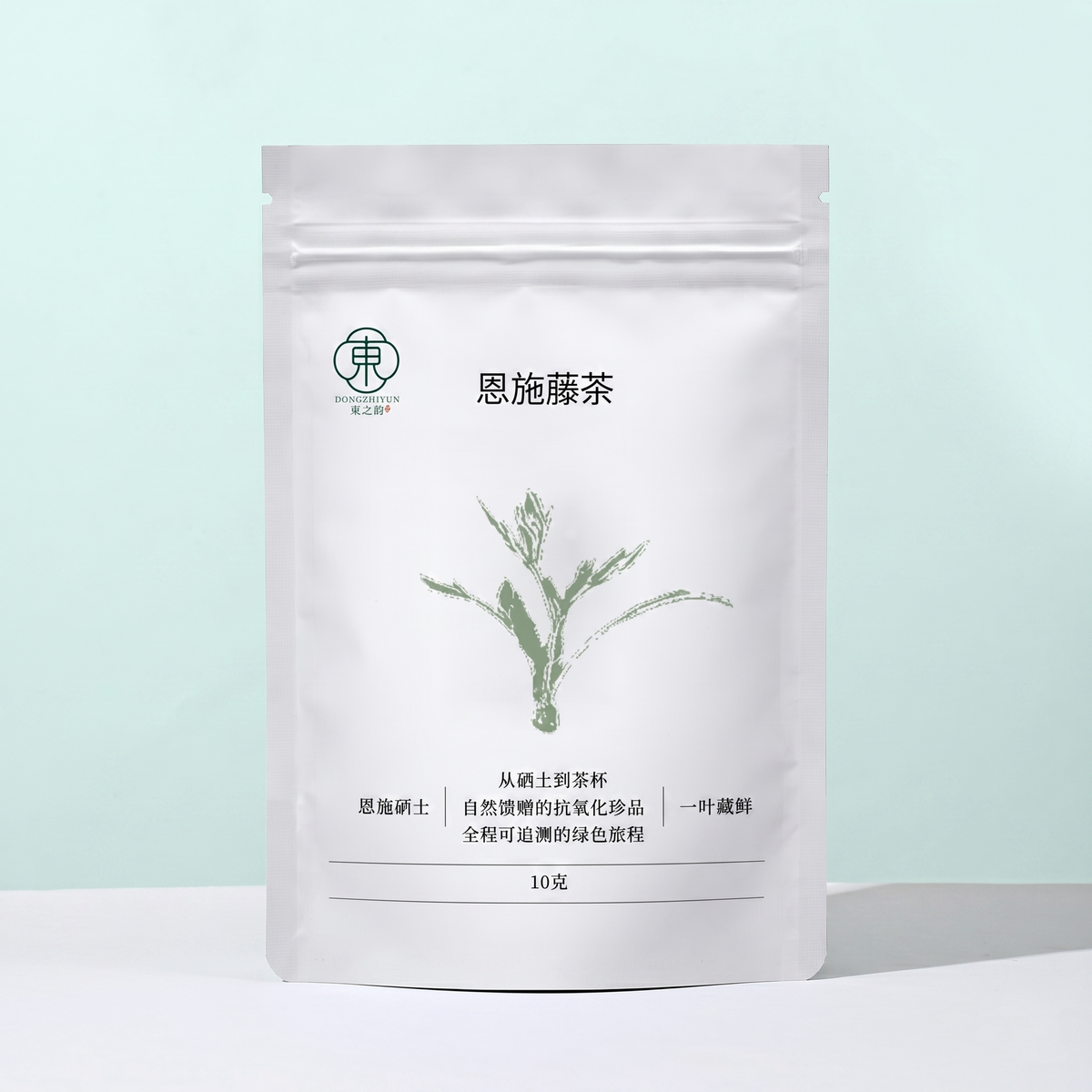
Although vine tea is not produced from the traditional tea plant, its brewing principles are similar. It naturally contains valuable plant compounds and should also be brewed carefully.
Water around 95°C with moderate steeping usually provides the best balance between sweetness and herbal freshness.
Don't Ignore Your Water Quality
Many people focus only on tea leaves while forgetting about the water itself. Since water makes up over 99% of your cup of tea, it plays a major role in the final flavor.
Soft or filtered water usually produces a cleaner and brighter tea taste than heavily mineralized tap water.
Freshly heated water is also preferable to water that has been repeatedly boiled.
Adjust According to Your Personal Taste
There is no single "perfect" brewing recipe. Some people enjoy a stronger infusion, while others prefer delicate floral notes.
Start with the recommended temperature, leaf amount, and brewing time, then make small adjustments based on your personal taste. This gradual approach helps you discover the brewing style that suits you best.
Common Mistakes Beginners Make
Many new tea drinkers accidentally create bitter tea by combining several small mistakes.
Common examples include:
- Using boiling water for delicate green tea
- Adding too many leaves
- Forgetting the tea and steeping it too long
- Reusing leaves incorrectly
- Brewing every tea exactly the same way
Avoiding these habits will noticeably improve your daily brewing results.
Final Thoughts
Learning how to fix bitter tea doesn't require expensive equipment or years of experience. Most bitterness comes from three controllable factors: water heat, tea-to-water ratio, and steeping time.
Whether you prefer green tea, black tea, vine tea(herbal teas), mastering these basic techniques will help balance tea polyphenols, preserve delicate aromas, and create a smoother tea taste. With a little practice, every cup of tea can become more flavorful, aromatic, and enjoyable.