How to Choose Calming Tea for Stress Relief in Daily Life
In China’s tea culture, tea drinking is more than a beverage—it is a daily ritual that connects people with nature and inner balance. In modern fast-paced life, many tea lovers return to natural choices like vine tea and Enshi Yulu for emotional stability and wellness. Unlike complex trends, tea offers a simple, sustainable habit. A warm cup of tea creates a calm moment for relaxation, which is why brewing a cup of tea is increasingly valued by both young professionals and traditional tea enthusiasts.
Share
Why Tea Drinking Fits Modern Stressful Lifestyles
In today’s digital world, stress is often continuous rather than occasional. Work notifications, long screen time, and irregular routines can easily overwhelm the nervous system. In this context, tea drinking provides a natural pause that helps people mentally disconnect from constant stimulation.
Even the act of holding a cup of tea can shift attention away from external pressure. The warmth in the hands, the aroma rising from the surface, and the slow rhythm of sipping all contribute to a calmer internal state. This simple experience is one reason tea remains deeply embedded in Chinese daily culture.
The Science Behind Tea Leaves and Natural Compounds
The benefits of tea are closely related to the composition of tea leaves, which contain a wide range of bioactive compounds. Among the most important are tea polyphenols, a group of natural antioxidants that help the body manage oxidative stress caused by modern lifestyles.
In addition to antioxidants, tea also contains amino acids and trace compounds that influence mood and alertness. While many people worry about stimulation, the effects of caffeine in tea are generally milder and more balanced compared to coffee, especially when naturally combined with other plant compounds in the leaf structure.
This natural balance allows tea to provide gentle alertness without overwhelming the nervous system, making tea drinking suitable for both work and relaxation periods throughout the day.
Enshi Yulu: A Fresh Green Tea for Focus and Light Energy
Among Chinese green teas, Enshi Yulu stands out for its unique steaming process and refreshing flavor profile. It is known for preserving the natural green character of tea leaves, resulting in a clean and slightly sweet taste that appeals to many tea enthusiasts.
The presence of tea polyphenols in Enshi Yulu contributes to its antioxidant properties, which are often associated with supporting general wellness. At the same time, the moderate effects of caffeine provide a gentle sense of alertness, making it suitable for morning or early afternoon consumption.
Many people choose Enshi Yulu as their daily cup of tea during work or study sessions. It offers clarity without heaviness, helping maintain focus while still supporting a relaxed state of mind. This balance makes it one of the most approachable tea varieties for beginners.
Vine Tea: A Naturally Caffeine-Free Herbal Experience
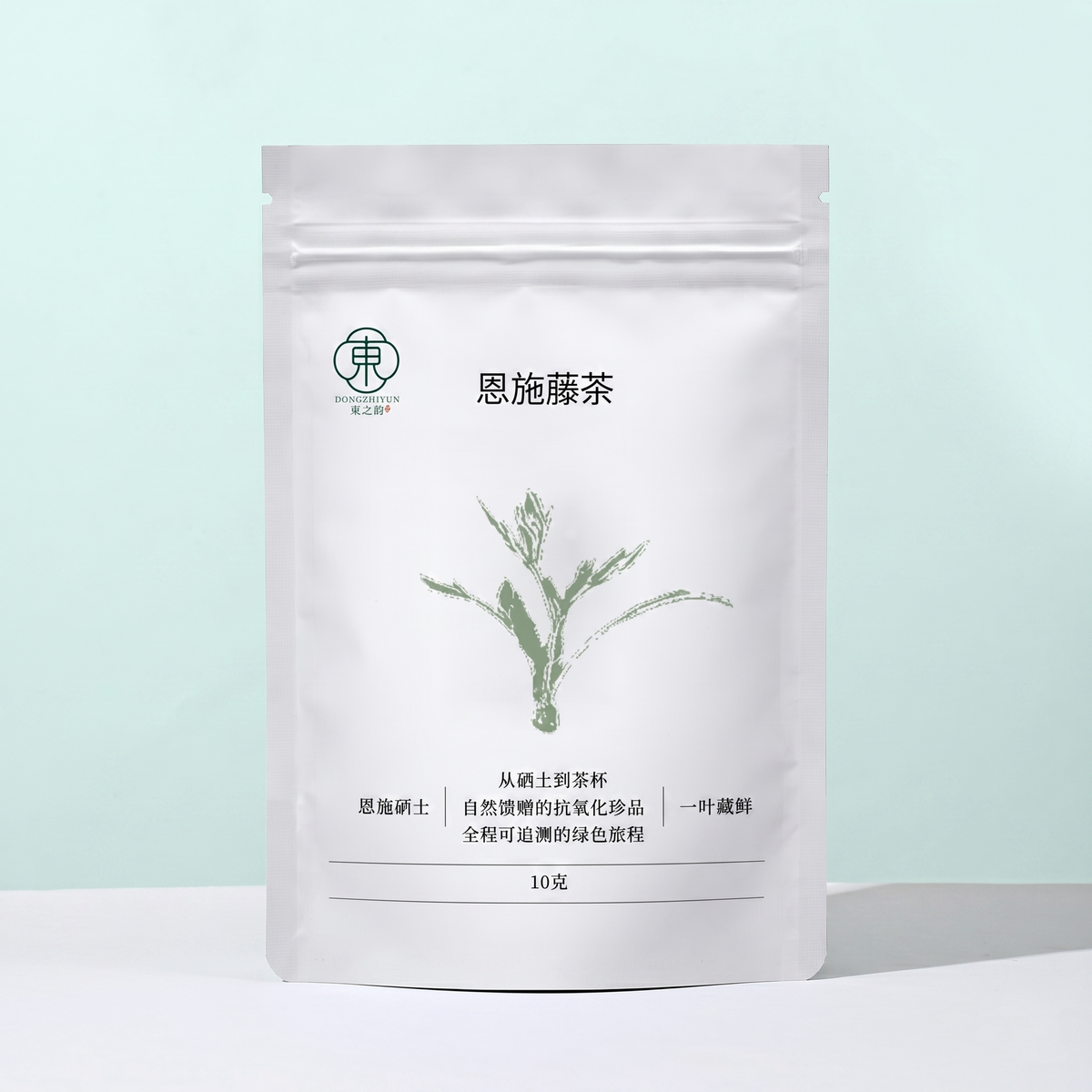
In contrast to traditional green or black teas, vine tea offers a completely different experience. It is naturally caffeine-free, which makes it especially popular among people who prefer a more calming evening routine or want to reduce stimulant intake.
Because it does not significantly involve the effects of caffeine, vine tea is often chosen after dinner or before bedtime. It provides a soothing drinking experience without disrupting rest patterns, making it an appealing option for those sensitive to caffeine.
The flavor of vine tea is typically mild, slightly sweet, and herbal. For many tea drinkers, this makes it an easy entry point into non-traditional tea varieties, especially for relaxation-focused lifestyles.
Understanding Tea Varieties for Daily Balance
The world of tea varieties is broad, ranging from green tea and black tea to herbal infusions like vine tea. Each type has its own flavor profile, chemical composition, and ideal drinking time, which allows tea drinkers to design a more personalized routine.
For example, Enshi Yulu is often preferred during the day due to its refreshing character and gentle stimulation. On the other hand, vine tea is more suitable for evening use, when the goal is to unwind and prepare for rest. Together, they create a complementary system that supports both productivity and relaxation.
By understanding these differences, tea lovers can make more intentional choices about their daily tea drinking habits rather than consuming tea randomly.
The Ritual of Brewing a Cup of Tea
One of the most important aspects of tea culture is the process of brewing a cup of tea. This simple act transforms tea from a beverage into a mindful experience. Measuring water temperature, observing the expansion of tea leaves, and waiting for the aroma to develop all require attention and patience.
This process naturally slows down mental activity. Instead of rushing, the drinker becomes present in the moment. Over time, this ritual becomes a form of daily mental reset that supports emotional balance and clarity.
A single cup of tea, when brewed with intention, can therefore become more than just hydration—it becomes a structured pause within a busy schedule.
Tea Leaves as the Foundation of Flavor and Wellness
At the heart of every tea experience are the tea leaves themselves. Their quality determines not only taste but also the concentration of beneficial compounds such as tea polyphenols.
High-quality leaves produce a more balanced flavor and a smoother mouthfeel. They also influence how the body perceives the effects of caffeine, ensuring that stimulation remains gentle rather than intense.
This is why experienced tea drinkers often pay close attention to origin, harvesting method, and processing techniques when selecting tea.
How Tea Drinking Supports Emotional Balance
Regular tea drinking can help establish a stable daily rhythm. The repetition of preparing and enjoying a cup of tea creates predictable moments of calm that can reduce emotional fluctuations over time.
Unlike quick stimulants, tea works gradually. The combination of warmth, aroma, and mild physiological response supports a steady transition from stress to relaxation. This makes tea a practical tool for long-term lifestyle balance rather than a short-term fix.
Conclusion: Building a Simple and Sustainable Tea Habit
In a world filled with constant stimulation, returning to simple habits can be powerful. Tea drinking offers an accessible way to reconnect with calmness without requiring major lifestyle changes.
Whether choosing the refreshing clarity of Enshi Yulu or the gentle calm of vine tea, each cup of tea represents a small opportunity to pause and reset. By understanding different tea varieties, appreciating the role of tea leaves, and recognizing the mild effects of caffeine, tea drinkers can build a more mindful and balanced daily routine.
Ultimately, the practice of brewing a cup of tea is not just about flavor—it is about creating space for calm in everyday life.