Enshi Tea: Exploring the Art of Tea from China’s Selenium Capital
Discover the art of tea in Enshi, China’s selenium-rich tea region, where tradition, nature, and craftsmanship create exceptional flavors. This article explores Enshi Yulu Tea, Lichuan Hong, and Laifeng Vine Tea, highlighting their unique origins, processing methods, and cultural value. From delicate green tea leaves to rich black tea and naturally caffeine free herbal tea, each variety reflects the dedication of local tea producers. Learn how proper brewing tea, careful sourcing, and strict quality assurance help preserve authentic taste and tea quality from the mountain garden to your daily cup of tea.
Discovering the Art of Tea in Enshi
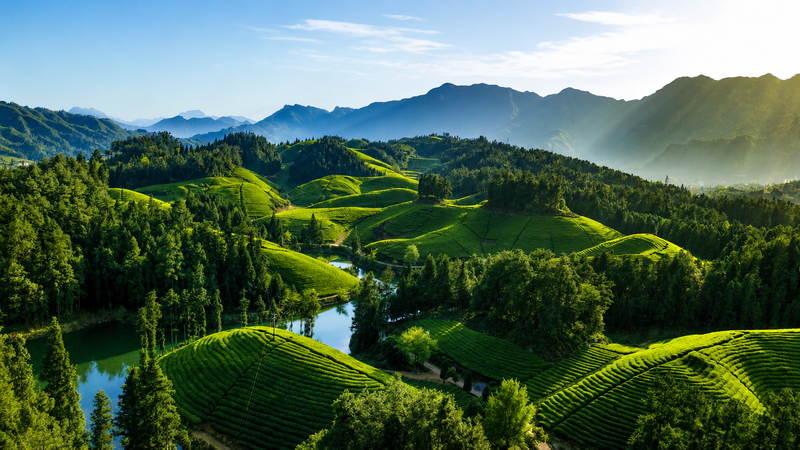
China has a long and fascinating tea history, and the art of tea represents more than just preparing a beverage. It reflects the connection between nature, craftsmanship, culture, and everyday life. Among China’s many tea-producing regions, Enshi in Hubei Province stands out as a unique destination where mountains, mist, and selenium-rich soil create exceptional conditions for growing premium tea.
Located near the mysterious 30th parallel north, Enshi is known as the “World Capital of Selenium.” This special environment has nurtured several famous local treasures, including Enshi Yulu Tea, Lichuan Hong black tea, and Laifeng Vine Tea, each carrying its own story and character.
For tea lovers, exploring Enshi means discovering how geography influences tea quality, how traditional skills shape flavor, and why every cup of tea can represent centuries of cultural inheritance.
The Unique Origin Behind Enshi Tea
The quality of a quality tea begins with its growing environment. Mountain altitude, climate, soil conditions, and traditional farming methods all influence the final characteristics of each tea leaf.
Enshi’s mountains provide a natural advantage. Frequent mist, clean water sources, and selenium-rich soil allow tea plants to grow slowly and develop complex flavors. These conditions help create tea with high levels of natural compounds, including amino acids, which contribute to freshness, smoothness, and balanced taste.
Unlike mass-produced beverages, traditional tea production focuses on protecting the natural character of the leaves. The relationship between land and craftsmanship is one of the most important reasons Enshi tea has gained recognition among tea enthusiasts.

Enshi Yulu Tea: A Traditional Green Tea Masterpiece
Among Enshi’s famous teas, Enshi Yulu Tea is one of the most representative examples of Chinese green tea craftsmanship. It is especially known for its unique steamed fixation process, a traditional technique rarely preserved in modern tea production.
Unlike many green teas that use pan-firing methods, Enshi Yulu uses steam to quickly stop oxidation after harvesting. This process helps maintain the bright green appearance of the green tea leaves while preserving their fresh aroma and delicate taste.
The finished leaves are slender and straight, resembling pine needles. When prepared correctly, the tea produces a clear green infusion with a refreshing aroma, smooth texture, and gentle sweetness.
For beginners exploring Chinese tea, Enshi Yulu offers an excellent introduction because its flavor is elegant yet approachable.

Lichuan Hong: The Rich Flavor of Chinese Black Tea
While Enshi Yulu represents freshness and elegance, Lichuan Hong provides a deeper and richer tea experience. As a traditional black tea, it follows a different production approach compared with green tea.
During processing, black tea leaves are allowed to fully oxidize, creating darker leaves, stronger aromas, and a fuller body. This oxidation process develops notes of honey, fruit, caramel, and flowers, giving Lichuan Hong its distinctive flavor profile.
With a history connected to international tea trade, Lichuan Hong demonstrates the craftsmanship and experience of local tea producers. Each stage, from harvesting to fermentation and drying, influences the final quality.

Laifeng Vine Tea: A Naturally Caffeine-Free Herbal Tea
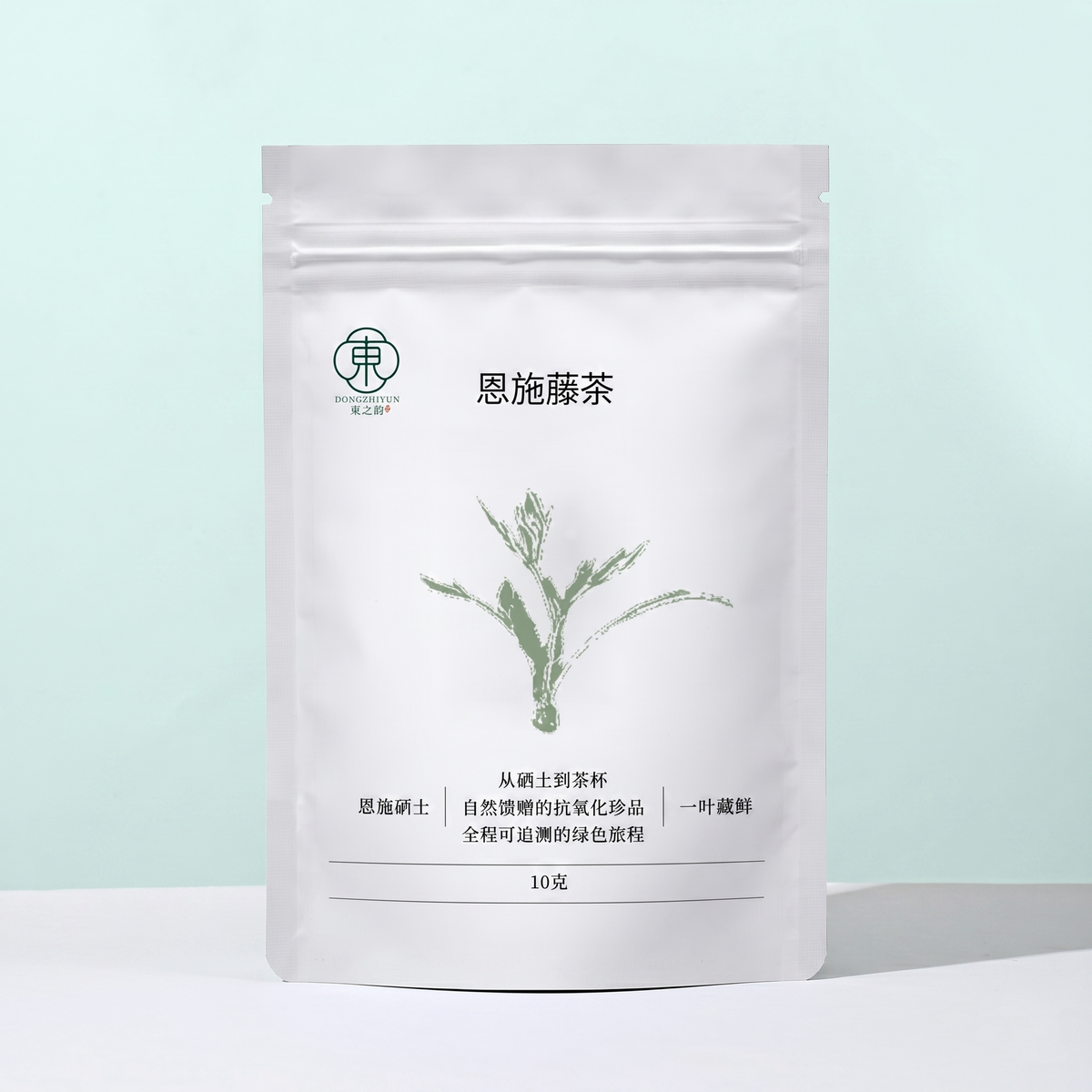
Beyond traditional tea varieties, Enshi is also home to Laifeng Vine Tea, a special beverage often considered a herbal tea rather than a true tea from the Camellia sinensis plant.
Because it is naturally caffeine free, vine tea has become popular among people looking for a relaxing beverage option. Its unique white frost-like layer comes from natural flavonoid compounds formed during processing.
The production of vine tea combines traditional knowledge with modern techniques. After careful processing, the tea develops a bright golden color, a slightly bitter first taste, and a pleasant sweet aftertaste.
For those who want to enjoy tea in the evening or reduce caffeine intake, Laifeng Vine Tea provides an alternative choice.
The Craftsmanship Behind Every Tea Leaf
Great tea depends on careful craftsmanship. From harvesting fresh leaves to controlling temperature and timing, every step in tea production affects the final result.
Different teas require different methods because each tea type has unique characteristics. Green tea focuses on preserving freshness, black tea emphasizes oxidation and richness, while herbal tea highlights natural plant properties.
Experienced tea producers understand that even small changes in processing can influence aroma, color, and taste. This attention to detail is what transforms ordinary leaves into quality tea.
How to Brew Enshi Tea Properly
Preparing tea correctly allows you to experience the best flavors hidden inside each leaf. The right water temperature, tea amount, and steeping time are essential factors when brewing tea.
For Enshi Yulu Tea, a lower water temperature is usually recommended because excessive heat may reduce its delicate aroma. A shorter steeping time helps maintain its fresh and smooth character.
During tea tasting, observing the color, fragrance, and taste changes through multiple infusions can help beginners better understand the personality of each tea.
The enjoyment of tea is not only about drinking quickly but also about appreciating the transformation from leaf to liquid.
Quality Assurance from Tea Garden to Cup
Reliable tea requires strict control throughout the entire process. Professional suppliers focus on quality assurance, including careful sourcing, production standards, and inspection procedures.
Selecting tea from authentic growing areas helps protect the natural characteristics of each product. From the mountain tea garden to the final package, every stage influences tea quality.
Responsible tea companies work closely with local farms and experienced producers to ensure customers receive genuine products with stable flavor and reliable standards.
Why Enshi Tea Continues to Attract Tea Lovers
The charm of Enshi tea comes from the combination of nature, history, and craftsmanship. Whether you prefer the refreshing character of green tea, the richness of black tea, or the relaxing qualities of caffeine-free herbal tea, Enshi offers diverse experiences.
For people who enjoy drinking green tea, Enshi Yulu provides a connection to traditional Chinese tea culture. Its clean flavor, natural sweetness, and carefully preserved techniques represent the true spirit of Chinese tea.
Every cup of tea tells a story—from the mountain environment where the tea leaf grows to the hands of the artisans who carefully transform it.
Choosing Enshi tea is not only choosing a beverage. It is discovering the history, culture, and dedication behind China’s remarkable art of tea.