What Is Vine Tea? Health Benefits and Food Pairing Guide
Vine tea is a caffeine-free herbal tea made from Ampelopsis plant leaves and stems, offering a naturally sweet and mild flavor different from regular tea. Rich in dihydromyricetin, it is valued for its health benefits, including antioxidant and anti inflammatory support, and is often associated with blood pressure balance and heart disease wellness. Its unique flavors make it ideal for tea with food, pairing well with meats, cheese, and baked goods. It can be enjoyed as hot water brewed tea or iced tea, and is available in loose leaf or tea bags. Vine tea supports a gentle, healthy daily lifestyle.

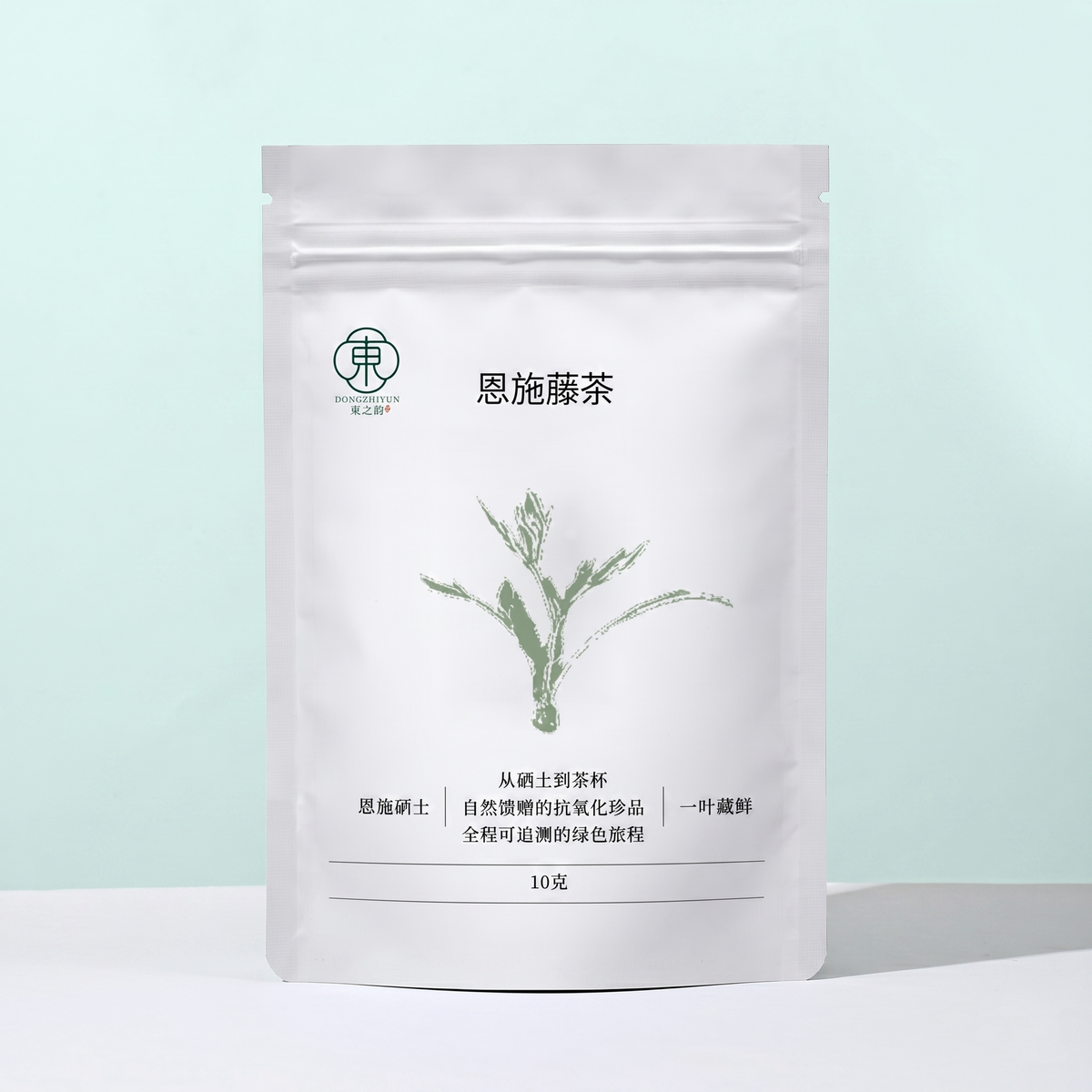
Vine tea, also known as Teng Tea in China, is a unique type of traditional tea that is not made from Camellia sinensis like regular tea. Instead, it comes from the leaves and stems of the Ampelopsis plant, offering a completely different drinking experience among modern types of tea.
Because it is naturally caffeine free, vine tea has become popular among people who want a gentle daily drink. Its mild profile and herbal character make it suitable for both beginners and long-term tea drinkers.

Natural Origin and Unique Flavor Profile
Vine tea is made from carefully harvested tea leaves of wild climbing plants in mountainous regions. This gives it unique flavors that are different from green or black tea.
The taste is often described as light, slightly floral, and naturally sweet. This natural sweetness makes it easy to drink without sugar or milk.
Understanding Its Health Value
One of the most discussed health benefits of vine tea is its naturally high flavonoid content, especially DHM (dihydromyricetin). This compound is often studied for its antioxidant and anti inflammatory properties.
Some wellness discussions also link vine tea with supporting blood pressure balance and general cardiovascular wellness. While not a medicine, it is widely appreciated as a daily wellness beverage.
Vine Tea and Heart-Friendly Lifestyle
Because it contains no caffeine and is naturally gentle, vine tea is often included in heart-conscious diets. Many people choose it as a daily drink to support long-term wellness habits related to heart disease prevention.
Its calming nature makes it suitable for evening consumption without disturbing rest or sleep cycles.
Food Pairing Guide for Everyday Meals
A well-designed food pairing guide helps highlight how vine tea interacts with different dishes. Its clean profile works especially well as a tea with food companion in modern diets.
It enhances flavors without overpowering meals, making it suitable for both light and rich cuisines.

Pairing with Rich and Fatty Foods
Vine tea works well with heavy dishes like grilled meats or fried foods. Its herbal profile helps cut through grease and refresh the palate.
This balancing effect improves the overall dining experience and reduces flavor fatigue during rich meals.
Cheese, Cream, and Western Cuisine
Dairy-heavy dishes such as pasta with cream sauce or cheese platters pair naturally with vine tea. The tea’s clean finish reduces heaviness on the tongue.
This makes it a good alternative to sugary drinks often served with Western-style meals.
Vine Tea with Baked Goods
One of the most enjoyable combinations is with baked goods such as cookies, scones, and cakes. The mild sweetness of vine tea balances sugar-based desserts.
This pairing creates a light and refreshing finish, especially during afternoon breaks.
Brewing Methods: Hot and Cold Enjoyment
Vine tea can be prepared using hot water for a warm, soothing drink or brewed as iced tea for a refreshing summer option. Both methods preserve its herbal character.
Cold brewing highlights its smooth sweetness, while hot brewing enhances its aroma and depth.
Tea Bags vs Loose Leaf Experience
While vine tea is sometimes available in tea bags, many tea enthusiasts prefer loose leaf versions for stronger aroma and fuller taste. Loose brewing allows better extraction of active compounds.
This flexibility makes it suitable for both convenient daily use and more traditional tea rituals.
Vine Tea as a Modern Wellness Drink
In today’s wellness lifestyle, vine tea is often included among popular herbal teas. It fits easily into routines focused on hydration, relaxation, and balanced living.
Its caffeine-free nature makes it especially appealing for people sensitive to stimulants.
Supporting a Balanced Daily Diet
Because of its gentle composition, vine tea is often enjoyed alongside balanced meals. It supports a mindful drinking habit that replaces sugary beverages with natural alternatives.
Its role in daily routines makes it a practical choice for long-term wellness.
Vine Tea in Modern Tea Culture
Among many types of tea, vine tea stands out for its herbal identity and functional appeal. It bridges traditional plant knowledge with modern health-conscious consumption.
As interest in natural beverages grows, vine tea continues to gain attention among global tea enthusiasts.
A Gentle Companion for Healthy Living
Vine tea is more than a drink—it is part of a lifestyle focused on balance and natural wellness. Its combination of health benefits, mild taste, and versatility makes it suitable for daily enjoyment.
Whether paired with meals, desserts, or enjoyed alone, vine tea offers a calm and refreshing experience that supports modern healthy living habits.