What Are the Different Types of Chinese Tea? A Beginner’s Guide
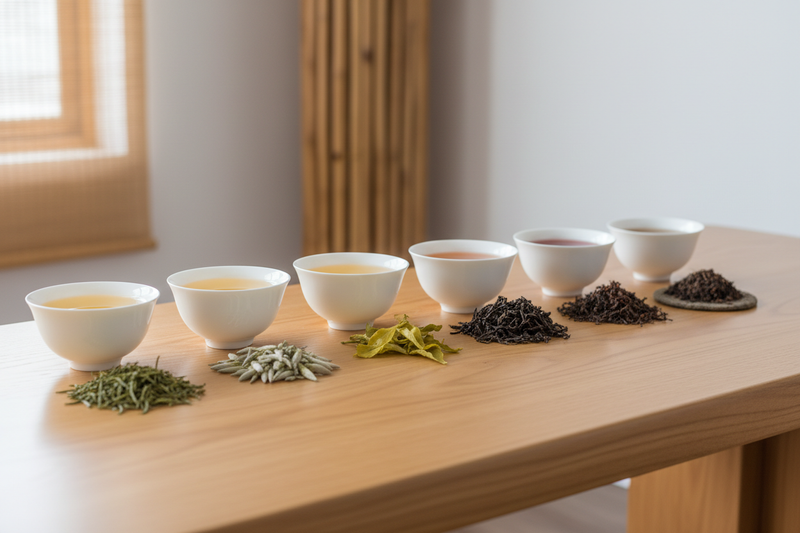
This article introduces the main types of Chinese tea, including green tea, white tea, oolong, and red (black) tea, explaining how they are shaped by processing, oxidation, and regional tea production. It highlights the role of the Chinese tea plant, the history of tea culture, and the influence of Lu Yu in shaping traditional tea practices. It also explores tea brewing, tea tasting, and modern tea experience habits among tea drinkers. With a focus on health benefits, flavor differences, and cultural heritage, the article helps beginners understand the diversity and depth of the Chinese tea industry and its global influence.
Share
The Chinese tea industry is one of the oldest and most influential beverage systems in the world. For millions of tea drinkers, understanding different tea types is the first step into a deeper appreciation of this ancient drink.
From green teas to black tea (often called red tea in China), every cup reflects centuries of craftsmanship and cultural evolution.
The Origins of Chinese Tea and Its Cultural Roots
According to traditional history of tea, tea was discovered when leaves accidentally fell into boiling water, creating the first infusion. This story is often linked to Emperor Shennong.
Over time, tea became central to tea culture, especially in rituals, medicine, and daily life among scholars and monks.
Today, the modern chinese tea experience still carries echoes of this ancient origin, blending tradition with daily wellness.
The Role of the Chinese Tea Plant in Tea Development
All chinese teas originate from the same source: the chinese tea plant. However, soil, altitude, and climate dramatically affect flavor.
Regions where tea grown includes Fujian, Zhejiang, and Guangxi are especially known for high-quality leaves used in premium tea production.
These regions remain core hubs of the global chinese tea industry, supplying both domestic and international markets.
How Tea Production Shapes Flavor
The process of tea producing determines whether leaves become green, black, white, or oolong tea.
In tea production, oxidation is the key factor. Light oxidation produces fresh green teas, while full oxidation creates deeper, richer black tea profiles.
Every stage of tea production influences aroma, taste, and even perceived health benefits.
Green Tea and Its Fresh Character
Green teas are minimally processed, preserving natural antioxidants and a fresh vegetal flavor.
During tea brewing, green tea requires lower temperature water compared to other chinese teas to avoid bitterness.
Many tea drinkers prefer green tea as part of their daily wellness routine due to its perceived health benefits.
White Tea and the Rare Silver Needle Variety
White tea is one of the least processed different tea types, valued for its delicate sweetness.
A premium example is silver needle, made from young buds covered in fine white hairs.
Because of minimal processing, white tea is often associated with natural purity and subtle tea experience.
Oolong Tea and Semi-Oxidized Complexity
Oolong tea sits between green and black tea in oxidation level, making it one of the most complex chinese teas.
Its leaves are carefully rolled and twisted during processing, enhancing aroma during tea tasting.
This semi-oxidized style creates a layered tea experience that is both floral and roasted.
Black Tea (Red Tea) and Full Oxidation
In China, what many call black tea is often referred to as red tea due to its reddish infusion color.
This type undergoes full oxidation, producing bold flavors ideal for strong brewing tea sessions.
Black tea is widely consumed globally, including in countries like Sri Lanka, which is also a major tea-producing region.
Tea Culture and the Influence of Lu Yu
The foundation of Chinese tea culture is often attributed to the tea scholar Lu Yu, author of The Classic of Tea.
His teachings influenced how people approach tea tasting, tea brewing, and etiquette.
Even today, modern tea experience practices reflect his philosophy of harmony and mindfulness.
How Tea Brewing Methods Affect Taste
Proper tea brewing is essential for unlocking flavor and aroma.
Different different tea types require different water temperatures and steeping times to achieve balance.
For example, green tea prefers short brewing, while black tea tolerates longer infusion.
Tea Tasting as a Cultural Practice
Tea tasting is more than drinking—it is a sensory evaluation of aroma, color, and mouthfeel.
In traditional tea experience settings, participants learn to identify subtle differences between green teas, oolong, and white tea.
This practice strengthens appreciation of the broader tea culture.
Health Benefits of Chinese Tea
Many studies and traditions highlight the health benefits of tea, including antioxidants and hydration support.
Regular consumption of chinese teas is associated with improved wellness and balanced lifestyle habits.
However, benefits vary depending on tea production, freshness, and brewing method.
Tea Bags vs Loose Leaf Tea
Modern convenience has made the tea bag a popular option worldwide.
However, many tea drinkers still prefer loose leaf tea for a more authentic tea experience.
Loose leaves generally provide richer aroma and better control during brewing tea.
The Modern Chinese Tea Experience
Today’s chinese tea experience blends tradition with modern lifestyle needs.
From casual home drinking to structured tea tasting sessions, tea remains a symbol of relaxation and refinement.
Even in a fast-paced world, tea continues to represent balance, culture, and wellness.
Final Thoughts on Chinese Tea Types
Understanding different tea types helps beginners appreciate the depth of tea culture.
From delicate white tea like silver needle, to bold red tea, each cup reflects unique craftsmanship and history.
Exploring the world of chinese teas is not just about taste—it is about experiencing centuries of tradition through every sip.