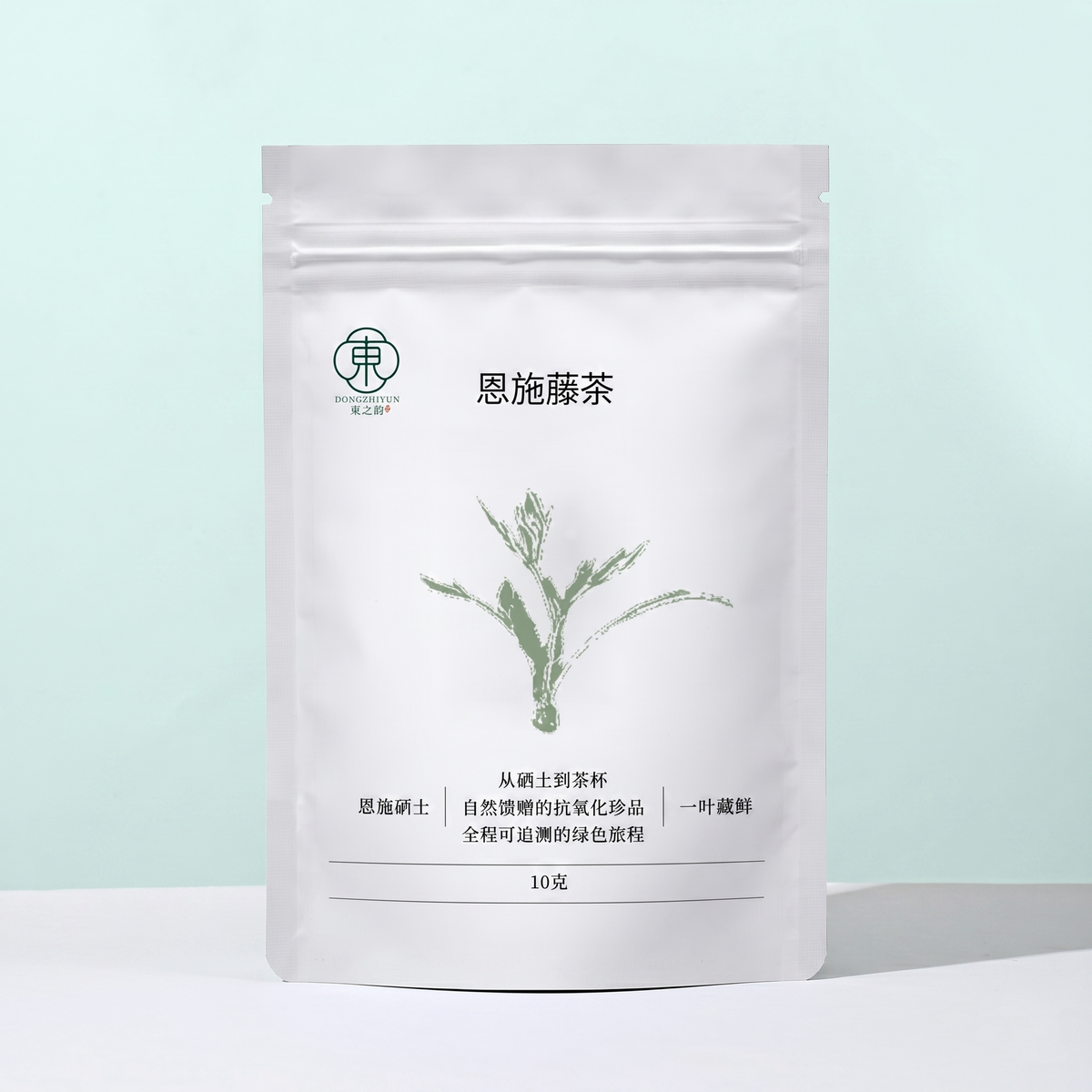
The amazing tea tree revealed
Discover the fascinating world of vine tea, a traditional Chinese herbal beverage known as the "herb of the gods." Learn about its botanical origins, centuries-old history, and rich nutritional profile, including flavonoids, amino acids, and essential trace minerals. Explore how compounds like dihydromyricetin (DHM) may support antioxidant activity, cellular health, and overall wellness. Combining traditional wisdom with modern research, vine tea is gaining recognition as a unique, nutrient-rich drink for health-conscious consumers seeking a natural addition to a balanced lifestyle.
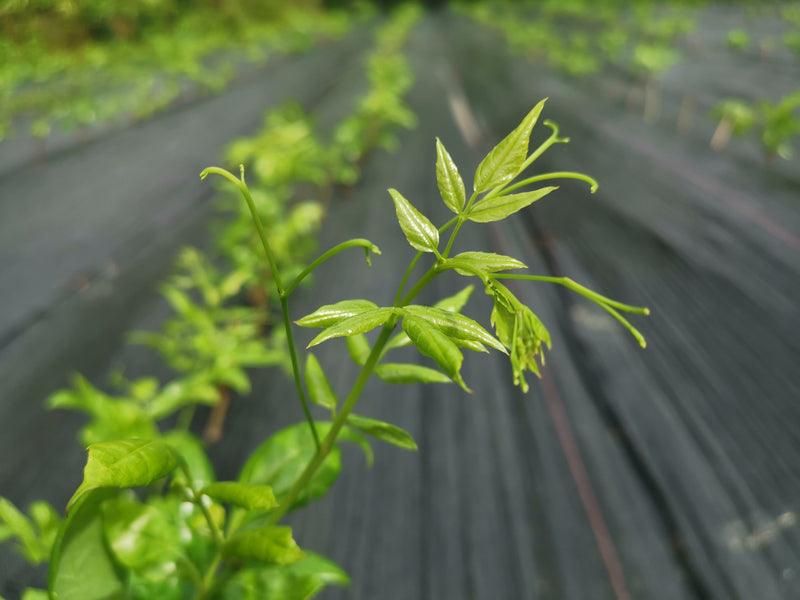
 The amazing tea tree revealed
What you don't know about the "gods grass"
In the treasure house of nature, there is a mysterious plant
—— Vine tea
It is known as the "gods' herb"
It carries rich health secrets and a long history and culture today
Let's uncover the mystery of vine tea
01 What is vine tea
Vine tea, scientifically known as Ampelopsis grossedentata, is a perennial climbing vine belonging to the grape family (Vitaceae). Its slender stems naturally climb trees, shrubs, and rocky slopes, allowing the plant to thrive in mountainous environments.
The leaves are broad and oval. They are covered with fine hairs. Young shoots are tender.They are rich in natural flavonoids. These flavonoids add to the tea's unique nutritional value.
This plant mainly grows in humid mountain areas in southern China. It is common in Hunan, Hubei, Jiangxi, Guangxi, Guizhou, and Fujian. These areas are known for misty landscapes, heavy rainfall, clean air, and mineral-rich soils. These conditions are ideal for growing premium vine tea.
The cool climate slows plant growth. This helps beneficial compounds build up naturally, like dihydromyricetin (DHM), amino acids, and trace minerals.
Because of these favorable conditions, vine tea from high-altitude regions is known for its delicate flavor. It has a refreshing aroma and exceptional quality. This makes it popular with traditional tea drinkers and modern health-conscious consumers.
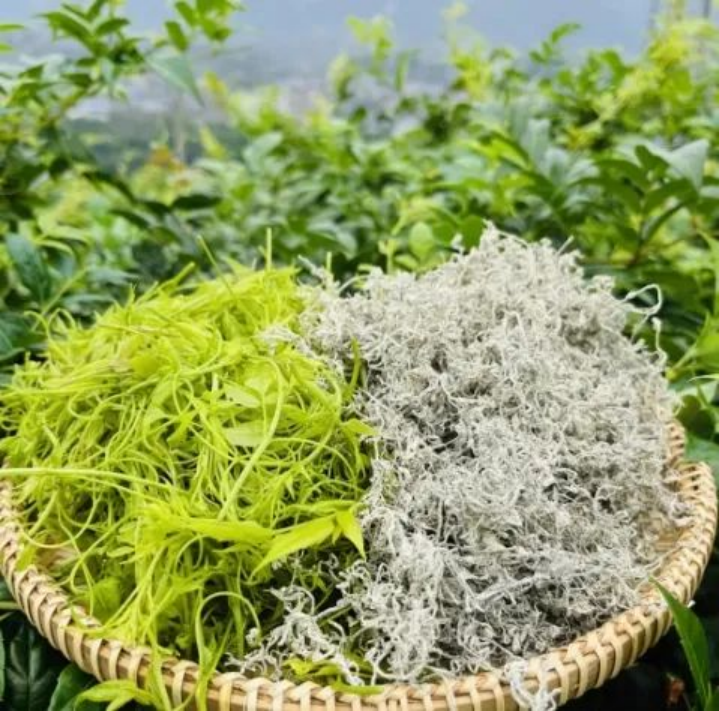
02 The historical origin of Vine tea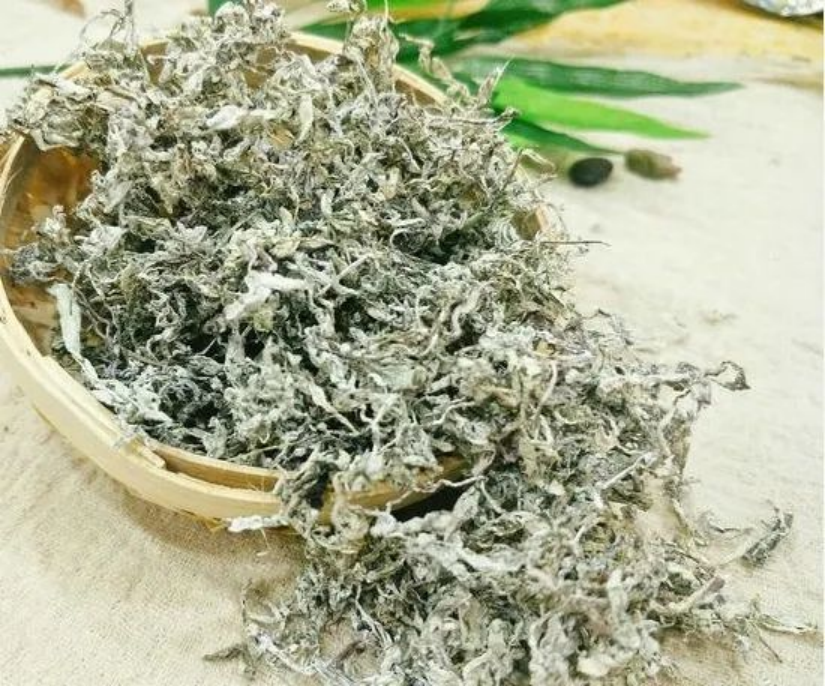
Vine tea has been a cherished remedy in China for centuries. Ancient texts document its use to treat common ailments and improve physical wellness.
Many records describe it as a dual-purpose plant for medicine and cooking. In ethnic minority regions, it remains an integral part of traditional medicine, effectively addressing symptoms like fever, sore throat, and diarrhea. These time-honored practices, passed down through generations, underscore its enduring significance in folk healthcare traditions.
Today, modern scientific research is beginning to validate many of these traditional uses. Studies show vine tea is rich in flavonoids, especially dihydromyricetin (DHM).
DHM has gained attention for its antioxidant and anti-inflammatory effects. Researchers still study its possible role in supporting heart health, liver function, and immune health. More clinical studies are needed to confirm these benefits.
Centuries of traditional knowledge and new scientific evidence have made vine tea more popular with health-conscious consumers. As interest in natural wellness grows worldwide, vine tea is gaining recognition. It is both a traditional herbal drink and a valued part of a balanced, healthy lifestyle.
03 The magic of Vine tea —— nutrients
The reason why vine tea is called "herb of the gods" is largely due to its rich nutritional content.
(1) Flavonoids
Vine tea is rich in flavonoids, one of its most vital active compounds. These flavonoids are strong antioxidants that neutralize free radicals, slow cell aging, and help protect the body.
They also reduce oxidative stress linked to many chronic diseases. Acting as "little guardians" in our bodies, they help defend cells against free radical damage and support long-term cellular health. Moreover, vine tea contains significantly higher flavonoid levels than many common plants, making it exceptionally effective in antioxidant defense.
Emerging research also suggests that these natural compounds may support cardiovascular health, promote a healthy inflammatory response, and contribute to overall immune function. While vine tea is not a replacement for medical care, drinking it often as part of a healthy diet may support wellness. It may also offer lasting nutrition benefits.
(2) Amino acids
Vine tea contains essential amino acids that help build proteins. These proteins support growth, tissue repair, and many normal body functions.
For instance, branched-chain amino acids like leucine and isoleucine actively contribute to muscle recovery, energy metabolism, and maintaining healthy muscle mass. Meanwhile, lysine is especially important for children's growth and development, while also supporting immune function and collagen production in adults.
In addition, the balanced amino acid profile of vine tea may help promote better nutrient utilization and overall metabolic health. When combined with its rich antioxidants, these natural amino acids make vine tea a valuable drink. It can support daily wellness, physical vitality, and long-term health as part of a balanced diet.
(3) Trace elements
Furthermore, vine tea is rich in essential trace elements including zinc, selenium, iron, and calcium. Zinc plays a vital role in synthesizing various enzymes, supporting immune function and reproductive health. Selenium acts as an antioxidant with cancer-preventive properties.
Iron serves as a key component of hemoglobin, enabling efficient oxygen transport. Calcium is crucial for maintaining healthy bones and teeth. The presence of these trace elements in vine tea significantly enhances its nutritional profile.