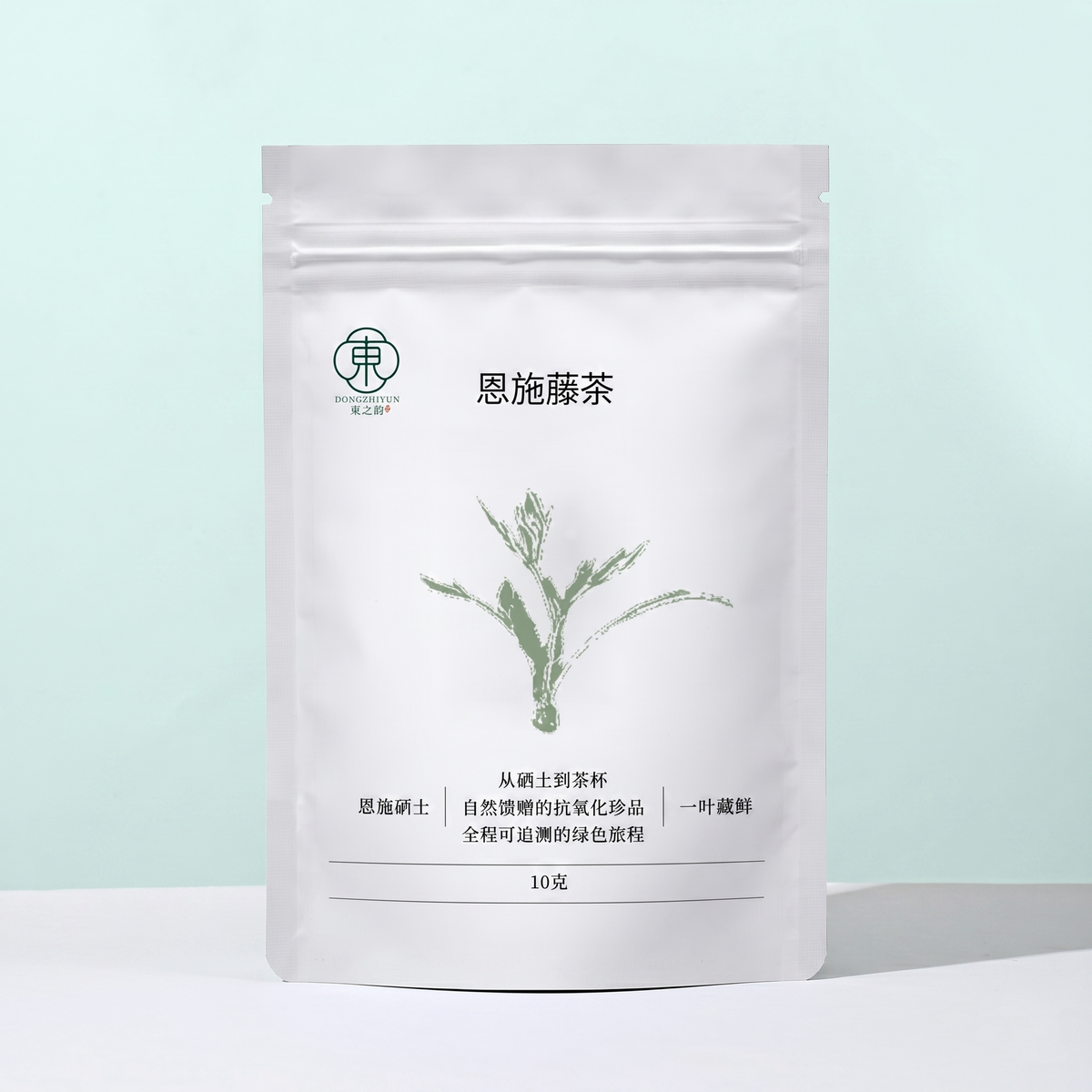
Laifeng Vine Tea: Benefits, History & Health Phat Is Vine Tea? Health Benefits of China’s Famous Herbal Tea from Laifengroperties of China's Famous Herbal Tea
In China’s rich tea culture, vine tea has become widely recognized as a famous herbal tea originating from Laifeng County in Hubei Province. Unlike traditional Camellia-based teas, it belongs to a unique category of plant-based infusions valued for both taste and wellness traditions.
As interest in natural wellness grows, this kind of tea is gaining attention among tea enthusiasts who are exploring diverse types of tea beyond green, black, and oolong. Many people appreciate its mild flavor and its reputation for delivering natural herbal goodness without complexity.
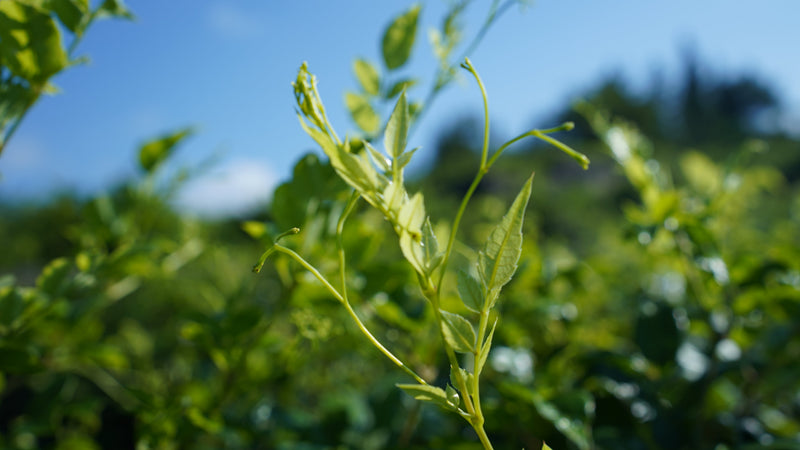
Vine Tea and the Modern Tea Industry in China
The development of the tea industry in Laifeng has helped transform vine tea from a local specialty into a nationally and globally recognized product. Once produced in small rural batches, it is now part of a growing ecological agricultural system.
This expansion has supported local farmers and strengthened regional economies while preserving traditional knowledge. At the same time, consumers increasingly seek transparent sourcing and natural products, which further drives demand for this famous herbal tea.
Within the broader tea industry, vine tea stands out as a unique free herbal tea option that appeals to health-conscious consumers.

What Makes Vine Tea Unique Compared to Other Types of Tea
Among many types of tea, vine tea is distinct because it does not come from tea leaves in the traditional sense. Instead, it is made from wild plants found in mountainous regions with clean ecological conditions.
This makes it a naturally free herbal tea, often chosen by people who want to reduce caffeine intake while still enjoying a warm beverage. Its identity as a unique kind of tea helps it stand apart in both traditional Chinese medicine and modern wellness markets.
Because of its plant origin, vine tea is often associated with natural herbal goodness and gentle daily consumption habits.
Health Benefits of Tea and Vine Tea’s Active Compounds
The growing global interest in the health benefits of tea has brought more attention to vine tea as a functional herbal drink. It is traditionally valued for supporting general wellness and balance in daily life.
One of the most discussed areas is its potential role in lowering blood sugar, which makes it appealing to individuals managing metabolic health. It is also commonly associated with reducing blood pressure, contributing to cardiovascular balance when consumed regularly as part of a healthy lifestyle.
In addition, vine tea is often linked to improved circulation and better metabolic function, which is why many people include it in their daily wellness routines focused on health benefits.
Blood Lipid Regulation and Metabolic Support
Modern nutritional discussions often highlight vine tea’s potential role in supporting healthy blood lipid levels. This is particularly important for individuals seeking natural dietary support for long-term wellness.
Within traditional usage, vine tea is believed to help the body maintain balance by supporting digestion and metabolic efficiency. These properties contribute to its reputation in natural wellness practices and reinforce its value among different types of tea alternatives.
As interest in natural health solutions grows, vine tea continues to gain popularity for its supportive role in health benefits of tea.
Herbal Goodness and Traditional Wellness Value
The concept of herbal goodness in vine tea comes from its long-standing use in traditional herbal practices. It has been consumed for generations in mountainous regions where it is believed to support daily vitality and resilience.
Many tea drinkers appreciate it not only for its functional properties but also for its smooth, mild taste profile. This makes it an accessible option for people who are new to herbal drinks or transitioning from conventional tea products.
Because of its natural composition, vine tea is widely recognized as a gentle free herbal tea suitable for regular consumption.

Vine Tea and Its Role in Modern Health-Conscious Lifestyles
In today’s wellness-driven society, people are increasingly exploring natural beverages that support balance and long-term health. Vine tea fits well into this trend as part of the evolving tea industry focused on functional and plant-based products.
Consumers often compare it with other types of tea, but appreciate that vine tea offers a caffeine-free experience. This makes it especially attractive for evening routines or individuals sensitive to stimulation.
Its positioning as a famous herbal tea continues to strengthen as more people discover its traditional roots and modern wellness appeal.
Understanding Health Benefits in Everyday Tea Consumption
When discussing the health benefits of tea, it is important to understand that regular consumption habits matter more than short-term use. Vine tea is typically consumed as part of a balanced lifestyle rather than a quick remedy.
People often include it in their daily hydration routine, replacing sugary drinks or heavily caffeinated beverages. This shift contributes to improved lifestyle habits and supports long-term wellness goals.
As part of broader health benefits, vine tea is appreciated for its simplicity, accessibility, and natural profile.
Vine Tea in Traditional and Modern Contexts
Historically, vine tea was produced in small batches by local farmers in Laifeng County. Today, it has become a structured part of the modern tea industry, combining traditional knowledge with scalable production.
Despite industrial growth, producers continue to emphasize ecological practices and quality preservation. This ensures that the herbal goodness of vine tea remains consistent even as demand increases.
This balance between tradition and modernization has helped vine tea maintain its identity as a respected kind of tea in China.
Why Vine Tea Is Considered a Functional Herbal Tea
Vine tea is often discussed in wellness circles due to its association with lowering blood sugar and supporting metabolic balance. While it is not a medical treatment, it is widely appreciated as a supportive herbal beverage.
It is also commonly linked to reducing blood pressure, making it appealing to individuals focused on cardiovascular wellness. These associations contribute to its growing popularity among those seeking natural health-supporting beverages.
Its role as a free herbal tea further enhances its accessibility for daily consumption.
Conclusion: Vine Tea as a Key Part of China’s Herbal Tea Culture
In summary, vine tea represents an important part of China’s evolving herbal wellness culture. As a famous herbal tea, it bridges traditional knowledge with modern health-conscious lifestyles.
From supporting blood lipid balance to contributing to health benefits of tea, vine tea continues to gain recognition as a valuable natural beverage. Its role in the expanding tea industry highlights both its cultural heritage and economic significance.
Whether viewed as a kind of tea, a wellness drink, or part of daily hydration habits, vine tea offers a unique combination of tradition and modern appeal. As more people explore different types of tea, its position as a trusted free herbal tea will continue to grow in popularity across China and beyond.