What Makes Healthy Tea Good for You? Benefits & Types
This article explains why healthy tea is a smart daily beverage choice, highlighting its long history in China and its role in modern wellness lifestyles. It introduces major tea types including green, black, oolong, white, and herbal teas, and explains how processing methods affect flavor and benefits. Tea is naturally low in calories and contains plant compounds such as antioxidants that may support heart health, digestion, and overall well-being. The article also discusses caffeine levels, proper brewing methods, and lifestyle-based tea selection. Overall, tea is presented as a simple, natural habit that can support a balanced and healthy daily routine.
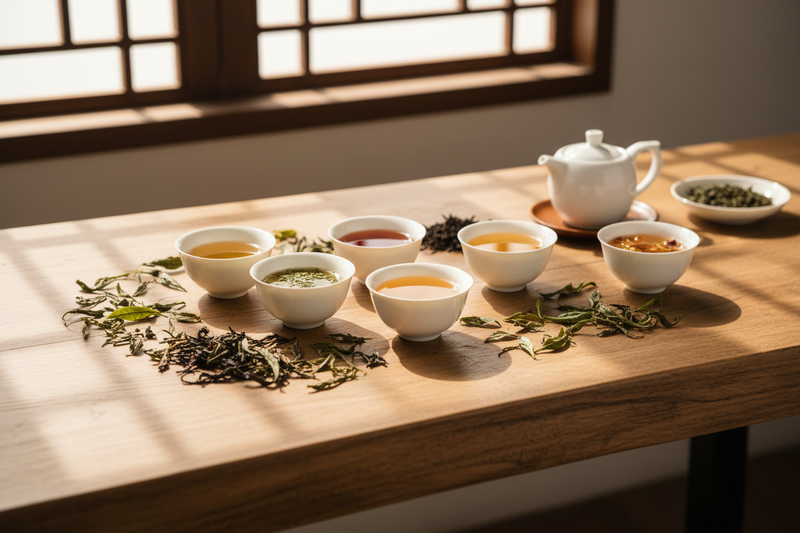
Tea has been enjoyed in China for thousands of years, making it one of the world's oldest and most respected beverages. Today, modern science continues to explore why healthy tea remains a popular choice for people who want a balanced lifestyle. Whether you enjoy traditional Chinese brews or are just beginning your tea journey, understanding different varieties can help you choose the right cup for your daily routine.
China is home to millions of tea drinkers, with each region producing unique styles and flavors. From delicate green tea to rich fermented varieties, the country offers an incredible selection of types of tea that suit different tastes and preferences. While no single tea is a miracle drink, adding quality tea to a healthy diet can support overall wellness.
One reason tea remains so popular is its naturally low calorie content. Unlike sugary beverages, unsweetened tea provides hydration while delivering plant compounds that have attracted scientific interest. Research suggests that regular tea consumption may play a role in supporting heart health, healthy aging, and metabolic balance when combined with a nutritious lifestyle.

Understanding the Main Types of Tea
All traditional teas come from the same plant, Camellia sinensis. What creates different flavors, aromas, and colors is the way the leaves are harvested and processed after picking.
Among the most popular choices are black and green tea, which represent two very different processing methods. Green tea is heated soon after harvesting to reduce oxidation, while black tea undergoes full oxidation that creates its darker color and richer taste.
Between these two sits oolong tea, which is famous for its partial oxidation process. Depending on how it is crafted, oolong can taste fresh and floral or deep and roasted, making it one of the most diverse tea categories in China.
Another well-known variety is white tea, which receives minimal processing. Young buds and tender leaves are simply withered and dried, creating a light, naturally sweet flavor that many beginners find approachable.
Besides traditional teas, many people also enjoy herbal teas. Unlike true tea, herbal infusions may contain flowers, fruits, roots, or herbs rather than tea leaves, and many naturally contain little or no caffeine.
Why Healthy Tea Is Popular
One of the biggest advantages of healthy tea is its wide range of naturally occurring plant compounds. Tea leaves contain polyphenols, flavonoids, and amino acids that researchers continue to study for their potential role in supporting everyday wellness.
Many people are especially interested in the benefits of green tea because it contains abundant catechins, a group of antioxidants that remain relatively well preserved during gentle processing. These natural compounds have become a focus of nutrition research worldwide.
At the same time, black tea provides its own unique antioxidants formed during oxidation. Rather than comparing one as "better" than another, many nutrition experts encourage enjoying a variety of teas as part of a balanced diet.
Tea and Heart Health
Heart health remains one of the most studied areas in tea research. Research suggests that regular tea consumption may support normal cardiovascular function when paired with healthy eating habits, regular exercise, and adequate sleep.
The antioxidants naturally present in tea may help protect cells from oxidative stress. This makes tea an enjoyable beverage choice for people interested in reducing the risk of long-term wellness challenges through healthy lifestyle habits.
It is important to remember that tea is not a medicine. Individuals with existing health conditions should continue following professional medical advice and view tea as one part of an overall healthy routine.
Supporting Digestive Wellness
A growing number of studies are exploring the relationship between tea and digestive health. Some evidence indicates that certain compounds found in tea may help improve gut health by supporting a balanced intestinal environment.
Fermented varieties, including black tea, develop unique polyphenols during processing. Scientists are continuing to investigate how these compounds interact with beneficial gut microorganisms and digestive function.
Although results remain promising, more long-term human studies are needed. Tea should complement a fiber-rich diet rather than replace healthy eating habits.
Tea, Energy, and Caffeine
Many beginners wonder how much caffeine tea contains. The answer depends on the variety, brewing method, leaf quality, and steeping time.
Generally, green, oolong, white, and black teas contain less caffeine than coffee. However, the exact caffeine content varies from one tea to another and even between different harvests.
Those who are sensitive to caffeine may prefer lighter brews or naturally caffeine-free herbal teas. Drinking tea earlier in the day may also help avoid sleep disruption for sensitive individuals.

Brewing Tea the Right Way
Making great tea starts with quality leaves. Many experienced tea lovers recommend choosing loose leaf tea because whole leaves often provide better aroma, flavor, and multiple infusions than lower-grade tea bags.
Water temperature also matters. While some people use boiled water for every tea, this is not always the best approach. Green and white teas generally taste smoother when brewed with slightly cooler water, while darker teas tolerate higher temperatures.
Following the recommended brewing temperature helps preserve delicate aromas and creates a more balanced cup. Small adjustments can make a noticeable difference in both flavor and overall enjoyment.
Can Tea Replace Supplements?
Because tea naturally contains antioxidants and minerals, some people wonder whether it can replace vitamins or pills. In reality, tea should be viewed as part of a healthy diet rather than a substitute for dietary supplements or prescribed nutrition plans.
People with nutritional deficiencies or specific medical needs should follow guidance from qualified healthcare professionals. Tea works best alongside balanced meals filled with fruits, vegetables, whole grains, and lean proteins.

Choosing the Right Tea for Your Lifestyle
Different teas fit different situations throughout the day. Green tea offers a fresh taste for mornings, while richer black tea pairs well with breakfast or afternoon snacks.
Oolong tea provides a balance between fresh and roasted flavors that many experienced tea enthusiasts appreciate. White tea is ideal for those who prefer delicate sweetness, while herbal infusions are often enjoyed in the evening.
Rather than searching for a single "best" tea, many Chinese families rotate among several types of tea depending on the season, meal, or personal preference.
Do Herbal Teas Offer Similar Benefits?
Although they come from different plants, many herbal teas contain their own beneficial plant compounds. Popular choices such as chrysanthemum, peppermint, ginger, and rooibos have long histories of traditional use.
They may not contain the exact antioxidants found in Camellia sinensis, but they can offer the same health benefits in certain areas, such as hydration, relaxation, or digestive comfort. Since each herb has unique properties, benefits vary depending on the ingredients used.
Building a Healthy Tea Habit
Creating a tea routine does not require expensive equipment or advanced knowledge. Start with high-quality leaves, use clean water, and brew according to the recommended temperature for each tea style.
Avoid adding excessive sugar or cream if your goal is wellness. Drinking tea in its natural form allows you to enjoy its authentic flavor while supporting healthier beverage choices.
Final Thoughts
China's rich tea culture offers something for everyone, from beginners to lifelong enthusiasts. Whether you enjoy black and green tea, fragrant oolong tea, delicate white tea, or naturally caffeine-free herbal teas, every cup reflects centuries of craftsmanship and tradition.
Current evidence indicates that tea can be a valuable part of a healthy lifestyle, and research suggests that regular consumption may contribute to overall wellness. By choosing quality loose leaf tea, brewing it correctly, and enjoying it as part of a balanced diet, you can experience the rich flavors and lasting traditions that continue to make healthy tea one of the world's most beloved beverages.