Healthy Tea: How to Brew Tea for Maximum Health Benefits
Healthy tea is a simple and enjoyable way to support everyday wellness. Understanding different types of tea, including black tea, white teas, and herbal teas, helps you choose the best option for your lifestyle. Proper brewing tea techniques, the right brewing time, and selecting high-quality loose leaf tea can improve both flavor and nutritional value. While research on the health effects of tea continues, regular tea consumption may contribute to heart health, balanced blood pressure, and overall well-being. By choosing minimally processed teas and brewing them correctly, you can enjoy both their rich flavor and natural health benefits.
Share
What Makes Healthy Tea Important in Daily Life
For millions of tea lovers in China, healthy tea is more than a drink. It is part of a long tradition. This tradition links daily tea drinking with balance and wellness. Modern nutrition research is exploring how tea affects health. It shows that drinking tea often may support heart health, digestion, and vitality.
However, the true value of tea depends not only on the type of tea you choose but also on how it is prepared. Understanding different varieties of tea and proper preparation methods helps you unlock the full potential of each cup.
Understanding Different Types of Tea
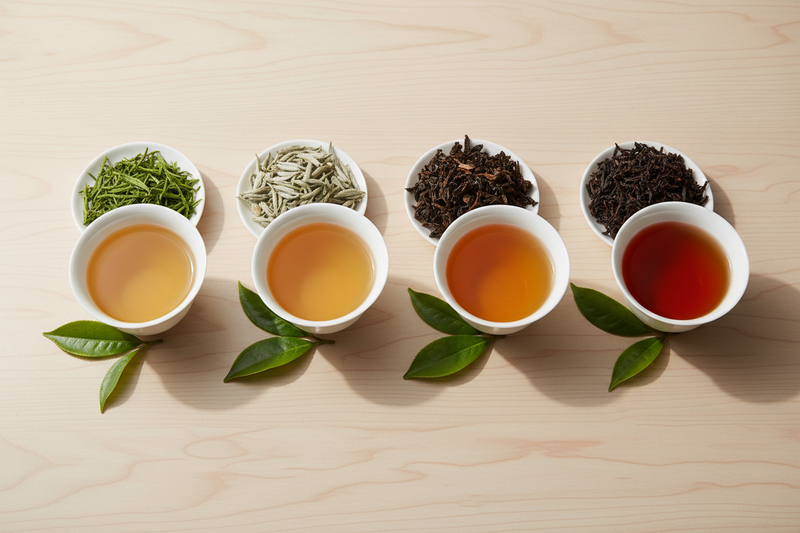
All traditional teas come from the same plant, but processing methods create very different outcomes in taste and nutrition. The main types of tea include green tea, white teas, oolong, and black tea, each offering unique flavor profile characteristics and health benefits.
Green and white varieties are often minimally processed, which helps preserve natural antioxidants. In contrast, black tea undergoes full oxidation, creating a richer taste and deeper color. These differences also affect caffeine content, which varies significantly between each type of tea.
For beginners, exploring multiple varieties of tea is the best way to understand personal preference while benefiting from diverse plant compounds.
White Tea and Black Tea: Two Popular Choices
Among all types of tea, white teas are often considered the most delicate. They are lightly processed and maintain a subtle delicate flavor, making them ideal for those who prefer a gentle drinking experience. Because they are minimally processed, white tea retains high levels of natural antioxidants.
On the other hand, black tea is fully oxidized, resulting in a stronger taste and higher caffeine content. Many people enjoy black tea in the morning because it provides a stronger stimulation compared to lighter teas.
Both categories offer distinct health benefits, but they serve different lifestyle needs depending on whether you prefer a mild or bold experience.
Herbal Teas and Caffeine-Free Alternatives
Not all teas contain caffeine. Many herbal teas are naturally caffeine free, making them a popular choice for evening relaxation or for people sensitive to stimulants.
Unlike traditional teas, herbal blends are made from flowers, roots, or herbs rather than Camellia sinensis leaves. This means their health effects of tea can vary widely depending on ingredients. Some herbal teas are known for calming properties, while others support digestion or hydration.
For those who want to reduce caffeine intake while still enjoying warm beverages, herbal options are a practical alternative within the broader world of tea.
Tea, Blood Pressure, and Long-Term Wellness
Scientific studies suggest that regular tea consumption may contribute to better cardiovascular function, including support for healthy blood pressure levels. This is largely attributed to natural antioxidants found in all varieties of tea, especially those that are less processed.
While research on the health effects of tea is still ongoing, observational studies indicate that moderate consumption may help support long-term wellness. However, tea should be viewed as a supportive habit rather than a medical treatment.
Understanding balance is key—tea is most effective when combined with a healthy lifestyle.
How Brewing Tea Affects Quality and Nutrition
Proper brewing tea is essential to achieving both ideal taste and nutritional value. One of the most important factors is brewing time, which directly impacts strength, bitterness, and overall extraction.
A short tea steep usually produces a lighter flavor profile, while longer steeping increases intensity but may also raise bitterness and caffeine content. Different types of tea require different water temperatures and timing to reach their optimal state.
For example, green and white teas generally need lower temperatures and shorter steeping times, while black tea can handle hotter water and longer extraction. Mastering brewing tea techniques allows you to enjoy consistent results every time.
Loose Leaf Tea and Quality Selection
Choosing loose leaf tea instead of tea bags is often recommended for those seeking higher quality and stronger health benefits. Loose leaves usually contain fewer broken particles, which helps preserve essential oils and improves the overall flavor profile.
High-quality tea is typically minimally processed, allowing it to maintain natural compounds that contribute to its health effects of tea. In contrast, heavily processed tea products may lose some of these beneficial elements.
For tea enthusiasts, selecting whole-leaf options is a simple step toward a more authentic and enjoyable tea experience.
Caffeine Awareness and Daily Consumption
Although tea is widely considered safe, understanding caffeine content is important for daily consumption. Different types of tea contain varying levels of caffeine, with black tea generally having more than white or green tea.
Excessive intake may affect sleep or cause sensitivity in some individuals, so moderation is key. Many experts recommend balancing strong teas with lighter herbal teas throughout the day to maintain steady energy levels.
Being mindful of caffeine allows you to enjoy the health benefits of tea without unwanted side effects.
Final Thoughts on Healthy Tea Habits
In modern life, healthy tea is both a traditional practice and a practical wellness choice. By understanding different varieties of tea, mastering brewing tea techniques, and paying attention to processing methods, anyone can improve their daily routine.
Whether you prefer the bold richness of black tea, the subtle elegance of white teas, or the calming nature of herbal teas, each cup offers its own unique health benefits and experience.
Ultimately, the best tea habit is one that fits your lifestyle—simple, balanced, and enjoyable every day.